
When trying to lose weight or control blood sugar, it is incredibly tempting to try the latest internet fad diet. Whether it is an extreme juice cleanse, a zero-carb challenge, or severe calorie counting, these diets promise rapid results. However, for adults over 60, these extreme approaches are not just ineffective—they are a hidden danger to your metabolic health.
Severe dietary restrictions treat the body like a machine to be starved, rather than a complex biological system to be nourished. Relying on extreme rules can lead to long-term metabolic damage, nutrient depletion, and unpredictable glucose spikes, ultimately making you less healthy than when you started.
The Yo-Yo Effect and Metabolic Slowdown
The most destructive consequence of a fad diet is the “Yo-Yo Effect” (weight cycling). When you drastically cut calories or eliminate entire macronutrients, your body perceives this severe restriction as starvation. To protect you, your brain triggers a survival mechanism: it slows down your basal metabolic rate to conserve energy.
When you inevitably stop the restrictive diet because it is unsustainable, your body is now burning fewer calories at rest than before. As a result, you quickly regain the lost weight—and often more—primarily as fat. This vicious cycle damages your metabolism over time, making future healthy weight loss significantly harder.
Nutritional Deficiencies and Anemia
True health requires a diverse spectrum of vitamins and minerals. Severe fad diets usually demand the complete exclusion of certain food groups. This is a massive hidden danger for seniors, whose bodies already require highly bioavailable nutrients to function properly.
By cutting out essential foods, you risk severe nutritional deficiencies. A lack of iron, B12, and folate from a highly restricted diet can quickly lead to anemia. This condition causes extreme fatigue, weakness, and shortness of breath, which not only destroys your daily energy levels but also makes it nearly impossible to stay active and maintain insulin sensitivity.
The Rebound Glucose Spike
From a blood sugar perspective, starvation diets are a disaster. Skipping meals or eating too few calories can lead to hypoglycemia (dangerously low blood sugar). Your liver responds to this emergency by dumping stored glucose into your bloodstream. Furthermore, the extreme hunger caused by restriction almost always leads to binge eating later in the day, causing massive insulin spikes and promoting fat storage around your vital organs.
Nourishment Over Restriction
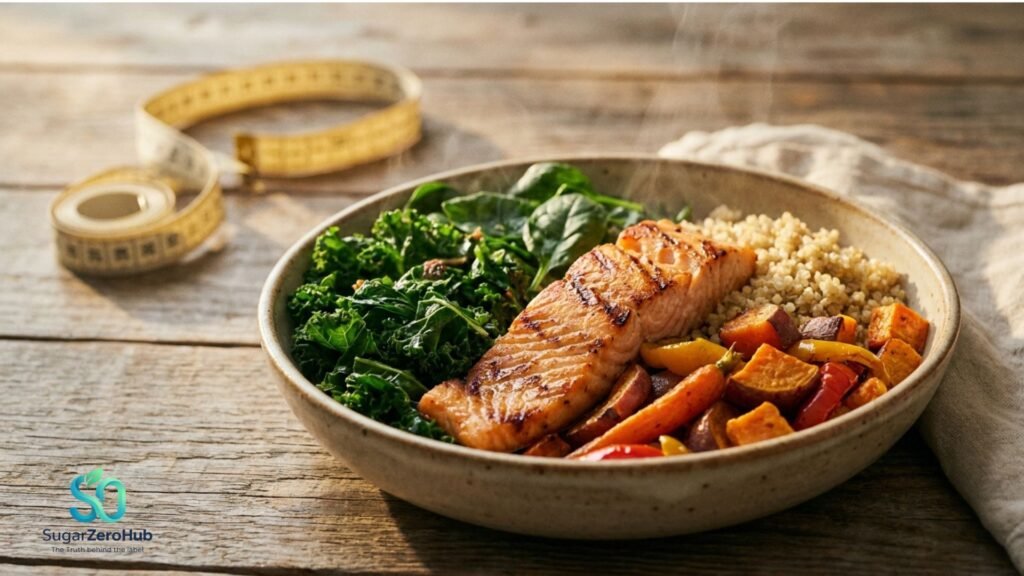
The secret to lasting health and stable blood sugar is shifting your mindset from “restriction” to “nourishment.” Instead of asking what you need to cut out, ask what you need to add. Focus on filling your plate with lean proteins, high-fiber vegetables, and healthy fats. This approach keeps your metabolism burning hot, prevents anemia, and naturally crowds out processed foods without the misery of starvation.
Mastering your daily nutrition is the ultimate secret to unlocking peak physical performance and protecting your metabolic future. To learn how to avoid these hidden dangers and adopt a complete system to reverse insulin resistance, you need the master blueprint.
Take control of your plate and master your metabolism: Read The Ultimate 2026 Guide to Mastering Your Blood Sugar here
Conclusion
Fad diets are a trap designed to make you fail. The hidden dangers of severe restriction—a slowed metabolism, the frustrating yo-yo effect, and the risk of anemia—far outweigh any temporary weight loss. Protect your body by rejecting starvation diets and embracing sustainable, nutrient-dense eating habits that support your energy, your blood sugar, and your long-term vitality.