
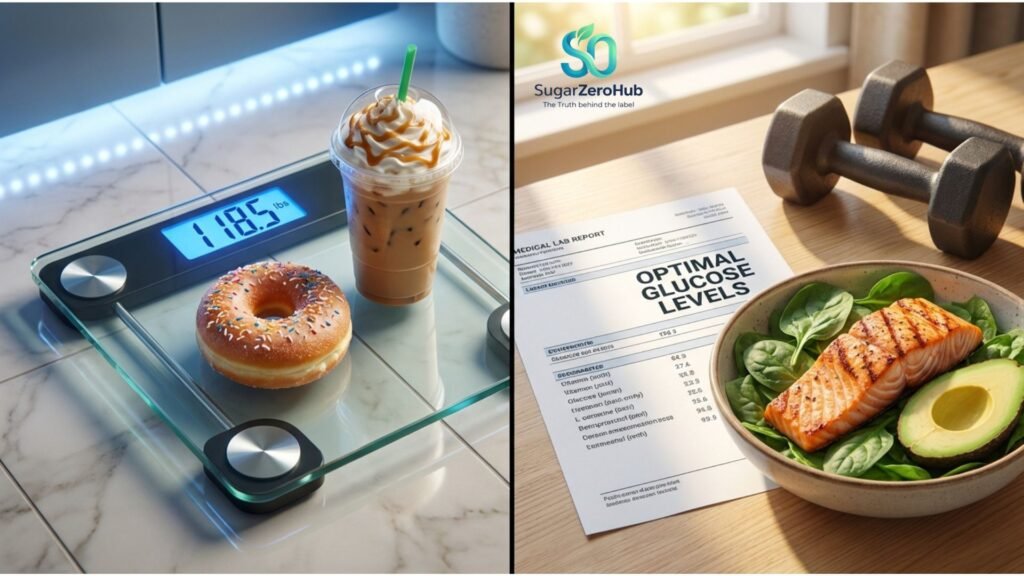
You step on the scale, and the number is right where it has always been. You fit into the same jeans you wore in your twenties. By all outward appearances, you are perfectly healthy. So when your doctor tells you that your blood sugar is dangerously high and you are at risk for Type 2 Diabetes, you are completely blindsided.
How is this possible? You aren’t overweight.
This scenario is becoming incredibly common, and it highlights the most dangerous myth in modern health: the belief that diabetes is only a disease of the visibly overweight. Welcome to the hidden danger of the “Skinny Fat” epidemic.
TOFI: Thin on the Outside, Fat on the Inside
In the medical community, this phenomenon is often referred to as TOFI (Thin on the Outside, Fat on the Inside). It means that while you may not carry a lot of subcutaneous fat (the soft fat you can pinch under your skin), your body is secretly packing away highly toxic, inflammatory fat deep inside your abdomen.
This hidden fat is called visceral fat, and it wraps itself tightly around your vital organs, including your liver and pancreas.
When your diet is high in refined carbohydrates and sugars, your body has to put that excess glucose somewhere. If your genetics dictate that you don’t store fat well under your skin, your body will shove it directly into your organs. This visceral fat actively releases inflammatory cytokines and drastically increases insulin resistance, setting the perfect stage for Type 2 Diabetes, regardless of what the scale says.
The Sugar Damage You Cannot See
Because “skinny fat” individuals don’t gain visible weight easily, they often feel invincible. They eat pastries for breakfast, drink sugary lattes, and consume highly processed foods, thinking their fast metabolism is saving them.
But a fast metabolism does not protect your blood vessels from glucose spikes. Every time you consume a heavy load of liquid sugar or refined carbs, your blood sugar spikes, causing microscopic damage to your arteries and exhausting your pancreas, even if you never gain a pound. You are metabolically starving your body while maintaining a “perfect” BMI.
3 Ways to Reverse the “Skinny Fat” Syndrome
You cannot measure metabolic health with a measuring tape. To clear out visceral fat and protect yourself from diabetes, you must change your internal chemistry.
- Stop Drinking Your Carbs: Liquid sugars (soda, fruit juices, sweet teas) are the fastest way to build visceral liver fat. Switch entirely to water, black coffee, or unsweetened tea to stop the daily assault on your liver.
- Prioritize Protein and Heavy Lifting: The “skinny fat” physique is usually severely lacking in muscle mass. Muscle is your body’s biggest glucose sink. By eating more high-quality protein and lifting heavy weights, you build metabolic armor that safely absorbs blood sugar.
- Target Your Sleep: Chronic sleep deprivation raises cortisol, which specifically signals your body to store fat deep in the abdomen. Getting 7 to 8 hours of quality sleep is not a luxury; it is a mandatory diabetes prevention tool.
True Health Goes Deeper Than the Scale
Do not let your pant size lull you into a false sense of security. True diabetes prevention requires understanding exactly how food interacts with your hormones, not just your waistline.
To permanently clear out hidden visceral fat, reverse insulin resistance, and bulletproof your metabolic health, you need a strategy that goes beyond calorie counting.
Build true metabolic health from the inside out: Read The Ultimate 2026 Guide to Mastering Your Blood Sugar here.
Conclusion
Being thin does not give you a free pass to ignore your blood sugar. By focusing on building muscle, cutting out liquid sugars, and treating your internal organs with the respect they deserve, you can conquer the “skinny fat” trap and prevent diabetes before it ever takes hold.